
Written by Nathalie Gelineau, Communications Lead, Hillel Lodge
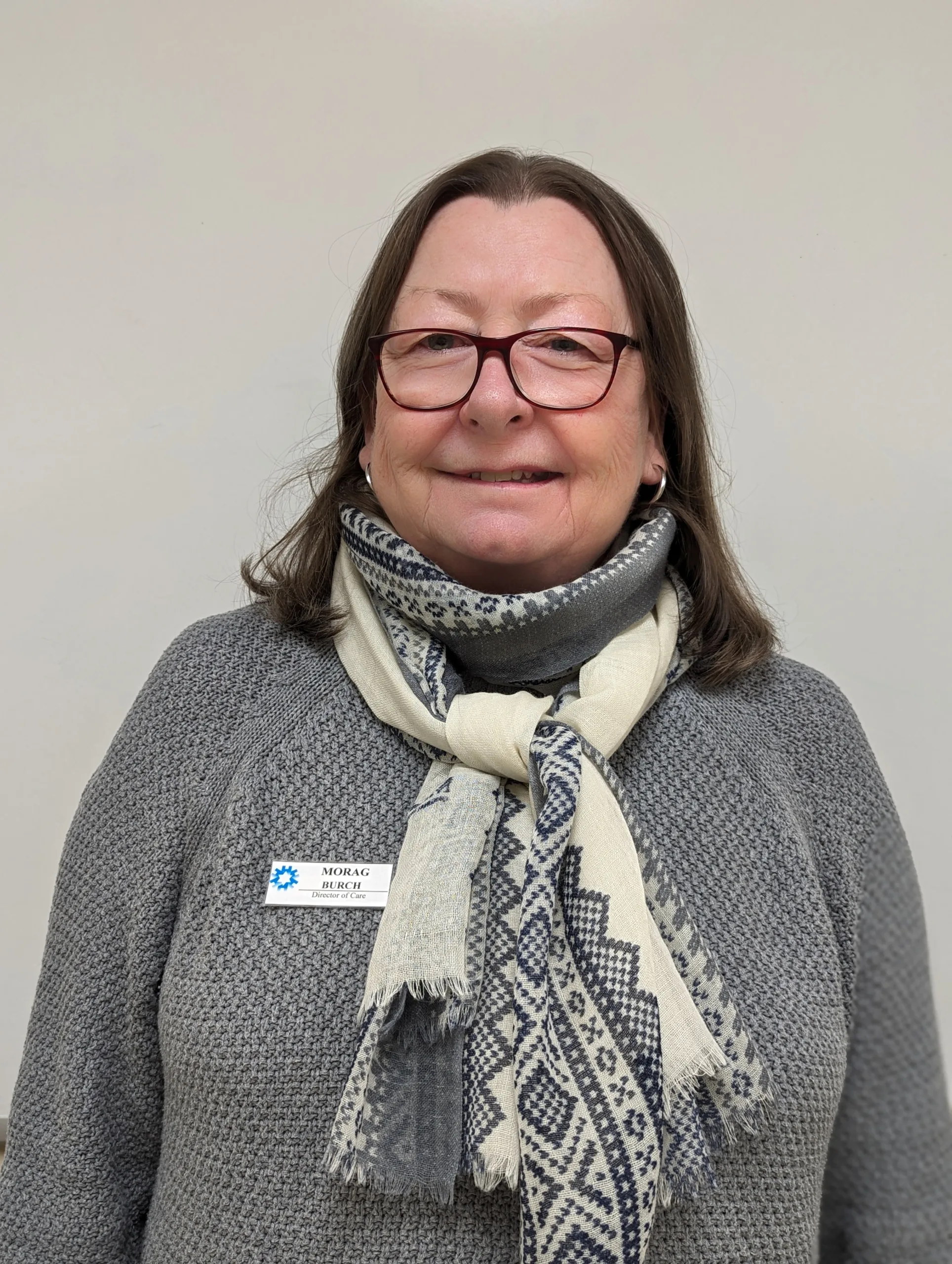
As Morag Burch prepared to retire after an incredible 36-year journey at Hillel Lodge, we sat down with her for a reflective conversation. Throughout her career, Morag has made a profound impact on the lives of residents, families, and staff. Here’s a heartfelt Q&A that captures her warmth, dedication, and insights.
Q: What initially drew you to the field of long-term care?
Morag: My journey into long-term care began during my nursing studies. During my first placement at a city home, I realized how much I loved working with the elderly. It was a transformative experience; I felt a strong connection with the residents and was captivated by their stories and histories. I found it incredibly rewarding to engage with them, listen to their life experiences, and learn from their wisdom. I realized I just had a passion for being around seniors. They were often less complex in terms of health needs back then, which allowed for deeper conversations. That initial spark led me to apply for a position at Island Lodge after graduation, and the rest is history.
Q: Can you tell us about your experience at Hillel Lodge?
Morag: After several years of working in various homes, I became disillusioned with the profit-driven models of care. I was searching for a more fulfilling environment when I spotted a small ad in the newspaper for a part-time nurse at Hillel Lodge, then known as the Ottawa Jewish Home for the Aged. The moment I stepped through the doors, I felt an overwhelming sense of belonging. It was a small, intimate setting with only 48 beds, where everyone truly knew each other. I loved that homey feeling. I started part-time and quickly transitioned to full-time work. By 1994, I was honored to become the Director of Care. Over the years, I’ve witnessed many changes, but the heart of our community has remained strong.
Q: What significant changes have you witnessed in long-term care over the years?
Morag: The landscape of long-term care has changed dramatically. One of the most significant shifts is the complexity of residents’ needs. When I began, many of our residents were around 65 years old. Now, we frequently admit individuals in their 90s who often have multiple health issues. This evolution has required us to adapt our care models significantly. Staff training has also become more specialized; for example, Personal Support Workers (PSWs) now receive targeted training in geriatric care. The expectations from families have changed too. They are more informed and involved, which is great because it helps us create more personalized care plans. It’s about meeting the unique needs of each resident while ensuring they feel at home.
Q: Can you share a memorable moment from your time at Hillel Lodge?
Morag: There are so many memories that stand out. One particularly tender moment was with a resident who was struggling with her transition to Hillel Lodge. She was quite sad and expressed her feelings of loss. One day, she asked me to lie down beside her on her bed, and we started talking—just having a heartfelt conversation. We ended up chatting for hours, sharing stories and laughter. It was a precious moment of connection that reaffirmed why I love this work. On a lighter note, there was a hilarious incident when a new resident mistook our announcement about a visiting barber for a call for his services as he used to own a barber shop. He appeared in the lobby with his barber tools, ready to cut everyone’s hair! It definitely brought a lot of laughter and joy to everyone that day.
Q: What role do families play in the care process?
Morag: Families are an integral part of our care process. I always encourage families to work closely with us, sharing as much information as they can about their loved ones. This collaboration helps us develop personalized Goals of Care that reflect the resident’s preferences and needs. I understand that the admission process can be stressful for families, but their involvement is crucial. They often have insights into their loved ones’ histories, interests, and desires that can make a significant difference in how we approach care. Engaging families creates a sense of community and partnership, which enhances the overall experience for everyone involved.
Q: How important is teamwork in providing quality care?
Morag: Teamwork is absolutely essential in our field. When I started at Hillel Lodge, we had only nine staff members. Everyone wore multiple hats, which created a very collaborative environment. We all supported each other, which was vital for providing quality care. Even though we have grown in size, staff members are assigned specific neighborhoods, allowing them to still develop familiarity with the residents’ likes and needs. This continuity is crucial for building trust and rapport. I’ve always fostered an open-door policy, encouraging team members to seek support from one another. It’s a culture of mutual respect and teamwork that I believe enhances the quality of care we provide.
Q: What are your hopes for the future of Hillel Lodge?
Morag: As I prepare to retire, my hopes for Hillel Lodge center around continuing to embrace a person-centered approach to care. I was involved in initiating our dementia project and would have loved more time to see it fully implemented. However, I believe the groundwork is solid, and the new Director of Care will be able to build on that foundation. I hope to see us continue to adapt and innovate in response to the evolving needs of residents. Hillel Lodge has always been a place where every individual matters, and I know that will remain at the core of our mission.
Q: What significance does your retirement after 36 years hold, especially in the context of Jewish culture?
Morag: The number 36 holds special significance in Jewish culture, often associated with the concept of "life" or "living." In gematria, a system where letters correspond to numbers, the Hebrew word for life, "chai," equals 18. Therefore, 36 is considered "double life," symbolizing blessings and a sense of continuity. Retiring after 36 years at a Jewish long-term care home feels appropriate and particularly meaningful to me. It’s as if I’m concluding this chapter of my life with a sense of purpose and fulfillment, having dedicated my career to enhancing the lives of our residents in a place that celebrates Jewish traditions and values.
Q: How do you plan to spend your retirement?
Morag: Retirement is a new adventure that I’m looking forward to! I plan to travel with my dear friend and former colleague Joanna Abrams, who retired few years ago. I can’t wait to explore new places and create lasting memories. I’m also excited to spend more time with my six grandchildren, who live nearby. Family is incredibly important to me, and I cherish every moment I get to spend with them. Whether it’s family gatherings or just casual visits, I love being involved in their lives.
As Morag prepares to embark on a new chapter in her life, the legacy of compassion, dedication, and love she has shown to the residents of Hillel Lodge will resonate for years to come. Her remarkable career stands as a testament to her unwavering commitment to care and community. We extend our deepest gratitude to Morag for all she has accomplished at Hillel Lodge, leaving a profound and lasting impact on the lives she has touched.